Understanding Cape Cod Homes
History and Characteristics
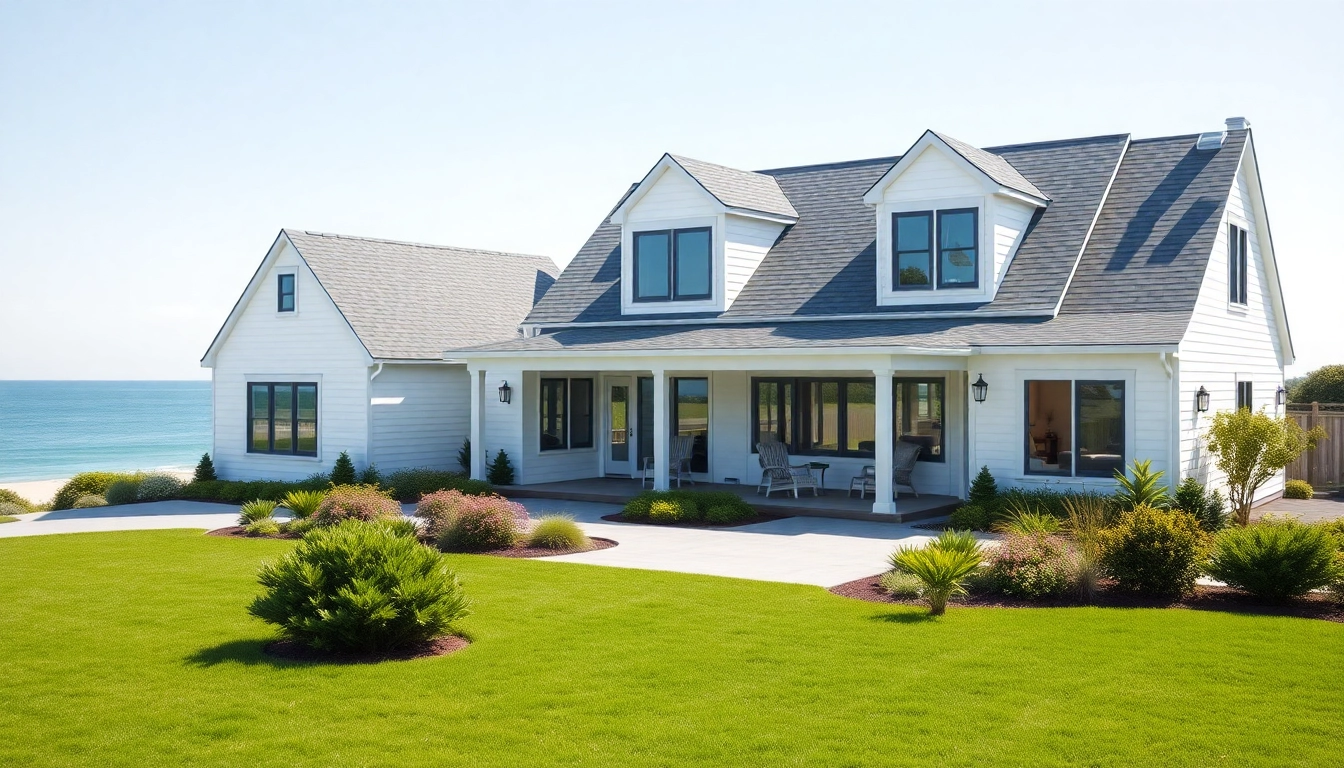
The Cape Cod home, characterized by its simple yet charming design, dates back to the early 17th century in New England. Originally built by English settlers, these homes were designed to withstand harsh coastal climates. Featuring steep roofs for shedding snow, symmetrical facades, and dormer windows for improved attic space and lighting, Cape Cod homes reflect early American architecture's practical and aesthetic values. Homes of this style are often one or one-and-a-half stories, creating an intimate and inviting atmosphere. They embrace functionality and simplicity, using local materials like wood shingles that lend a timeless appeal.
Design Elements of Cape Cod Homes
When considering cape cod homes, several distinct design elements come into play. These homes typically feature low-pitched roofs, large central chimneys, and dormer windows that not only enhance aesthetic appeal but also improve ventilation and natural light. The exterior often incorporates cedar shingles painted in muted colors, blending harmoniously with the natural landscape. Interiors are usually open and inviting, with hardwood floors, built-in cabinetry, and classic moldings that add character. The merging of classic architecture with modern comforts is central to the allure of Cape Cod homes.
Benefits of Living in Cape Cod Homes
Living in a Cape Cod home offers numerous advantages. Their sturdy construction provides durability against the elements, making them suitable for various climates, particularly coastal ones. The design promotes energy efficiency, with features such as small windows that minimize heat loss in winter and natural shade in summer. Additionally, the aesthetic appeal of Cape Cod homes contributes to higher property values and a sense of community. Many believe they promote a relaxed lifestyle, partly attributed to their surroundings, which often include beautiful coastal landscapes, local activities like boating and fishing, and a rich historical context.
Planning Your Home Expansion
Identifying Space Requirements
Expanding a Cape Cod home involves a critical assessment of your space needs. This process starts with evaluating your current layout and determining how much additional space you require—whether for a growing family, a home office, or a recreational area. Validate your needs with future considerations in mind; perhaps additional bedrooms or a larger kitchen for entertaining. Engaging with family members can provide insights into their needs and preferences, ensuring that the expansion aligns with the household’s lifestyle.
Choosing the Right Design Style
When expanding your home, it’s essential to maintain the classic Cape Cod aesthetic while accommodating modern needs. Consider an addition that complements the existing structure in terms of materials, rooflines, and overall design. Modern trends could include open floor concepts that retain traditional aesthetics or using larger windows to maximize natural light. Aim for seamless integration, making it appear as if the expansion was part of the original design. Consulting an architect familiar with Cape Cod architecture can provide valuable direction and inspiration.
Permits and Regulations for Expansions
Before commencing any expansion project, familiarize yourself with local building codes and zoning laws. This step is crucial as violations can delay projects or lead to fines. Typically, homeowners need to apply for building permits which are designed to ensure structural safety and compliance with community standards. Your local planning department can provide guidelines about setbacks, heights, and design aesthetics; understanding these goes a long way in simplifying the planning process and avoiding costly adjustments down the line.
Incorporating an Attached Garage
Benefits of Attached Garages
Adding an attached garage to your Cape Cod home can significantly enhance convenience and functionality. It provides shelter from the elements when entering or exiting your vehicle, increases security for your belongings, and offers additional storage space. An attached garage can also improve the home’s value, making it more appealing to potential buyers. Furthermore, it can serve as a multi-purpose space, accommodating leisure activities, workshops, or additional storage solutions, ultimately tailoring the home to your lifestyle.
Design Ideas for Your Garage
When designing an attached garage, take care to mirror the architectural style of your Cape Cod home. Opt for materials and colors that align with existing elements, such as wood siding and coastal hues. Consider incorporating windows that enhance natural lighting and provide visual interest, possibly placing them in a symmetrical layout above the garage doors. Internal features like built-in shelving or pegboards can optimize space while maintaining an organized environment. Integrating outdoor access, such as a side door leading to the backyard, can enhance functionality as well.
Integrating Garage with Your Home's Aesthetic
Seamless integration of the garage into your home’s design is pivotal for aesthetic continuity. Use architectural features such as gabled roofs that match those of the main house, and keep door designs consistent with other entry points. Choosing the right garage door style, such as those that mimic classic wooden shutters or paneled doors, can further enhance cohesiveness. Landscaping around the garage, incorporating plants or pathways, can create a welcoming atmosphere, bridging the garage with the overall landscape design.
Financing Your Home Project
Cost Factors for Expansions and Garages
Understanding the financial implications of home expansions is crucial for effective planning. Costs can vary widely based on size, design complexity, and material choices. Factors such as the age of the home, labor costs, and additional landscaping should also be considered. Gathering estimates from multiple contractors can help you better gauge the potential costs and identify areas where you can trim expenses. Don’t forget to plan for unexpected costs, as renovations can often reveal hidden structural issues that need addressing.
Finding the Right Financing Options
Homeowners have several financing options available for expansion projects. Home equity loans or lines of credit can provide flexible funding based on home value, allowing you to finance improvements while maintaining favorable interest rates. Alternatively, some might consider personal loans or detailing high-interest credit card debt. Research to compare rates and terms for each option, ensuring you select a financing strategy that aligns with your financial situation and repayment capabilities.
Budgeting for Unexpected Expenses
While planning a budget for your home expansion, it's prudent to allocate at least 10-20% of your total budget for unexpected costs. Home renovations can often uncover issues that need immediate attention, such as outdated plumbing or electrical systems. Clearly delineating your primary expenditures versus optional upgrades can aid in navigating any unforeseen challenges while maintaining the project’s focus. Regularly reviewing progress against your budget during the project can help identify and resolve issues before they escalate.
Maintaining Your Cape Cod Home
Seasonal Maintenance Tips
Maintaining the exterior of your Cape Cod home is essential to ensure its longevity and aesthetic appeal. Seasonal maintenance tasks should include inspecting your roof for leaks, cleaning gutters to prevent flooding, and treating wood for pests and moisture damage. Regularly painting or sealing the exterior will protect your investment from harsh coastal elements. Schedule maintenance tasks semi-annually to prevent small issues from becoming costly repairs, ensuring your home remains in prime condition throughout the years.
Landscaping Ideas for Coastal Homes
Landscaping for Cape Cod homes should reflect the coastal environment while considering plant resilience. Opt for native, drought-resistant plants, which thrive in sandy soils and salt air. Incorporating windbreaks, such as hedges or ornamental grasses, can provide protection from strong coastal winds. Coastal accents like stone pathways, driftwood features, or native flowers will enhance the landscape while resonating with the natural surroundings. Creating a multi-layered garden design promotes beauty and sustainability in your home environment.
Choosing Sustainable Materials for Longevity
When undertaking maintenance or expansions, choosing sustainable materials is crucial for the longevity of your Cape Cod home. Consider utilizing reclaimed wood, which not only provides a unique aesthetic but also contributes to environmental conservation. Eco-friendly paints and finishes, coupled with metal roofing options that withstand coastal weather, can also enhance durability. Prioritizing materials with long lifespans reduces future maintenance costs and encourages sustainable practices in homebuilding and renovation.
Frequently Asked Questions
What makes Cape Cod homes unique?
Cape Cod homes are known for their simple, charming design, steep roofs, and symmetrical facades that reflect early American architecture.
How can I expand my Cape Cod home effectively?
Consider your family’s needs, design aesthetics, and local regulations to create a cohesive and practical expansion plan.
What are the advantages of an attached garage?
An attached garage provides direct access to the home, adds convenience, and can enhance the overall value and appearance of your Cape Cod home.
What financing options are available for home expansions?
Homeowners can consider mortgages, home equity loans, or personal loans to finance their home expansion projects, depending on individual needs.
How do I maintain my Cape Cod home's exterior?
Regular maintenance includes inspecting roofs, cleaning gutters, painting, and ensuring proper drainage to protect against coastal elements.