Understanding the 2400 BTU Mini Split System
In today's climate, finding efficient and effective heating and cooling solutions is essential for comfortable living. The 2400 btu mini split system has emerged as a popular choice among homeowners and businesses alike due to its versatility and efficiency. This article will explore the mechanics of mini splits, their benefits, and what to consider when selecting the right system for your unique needs.
What is a 2400 BTU Mini Split?
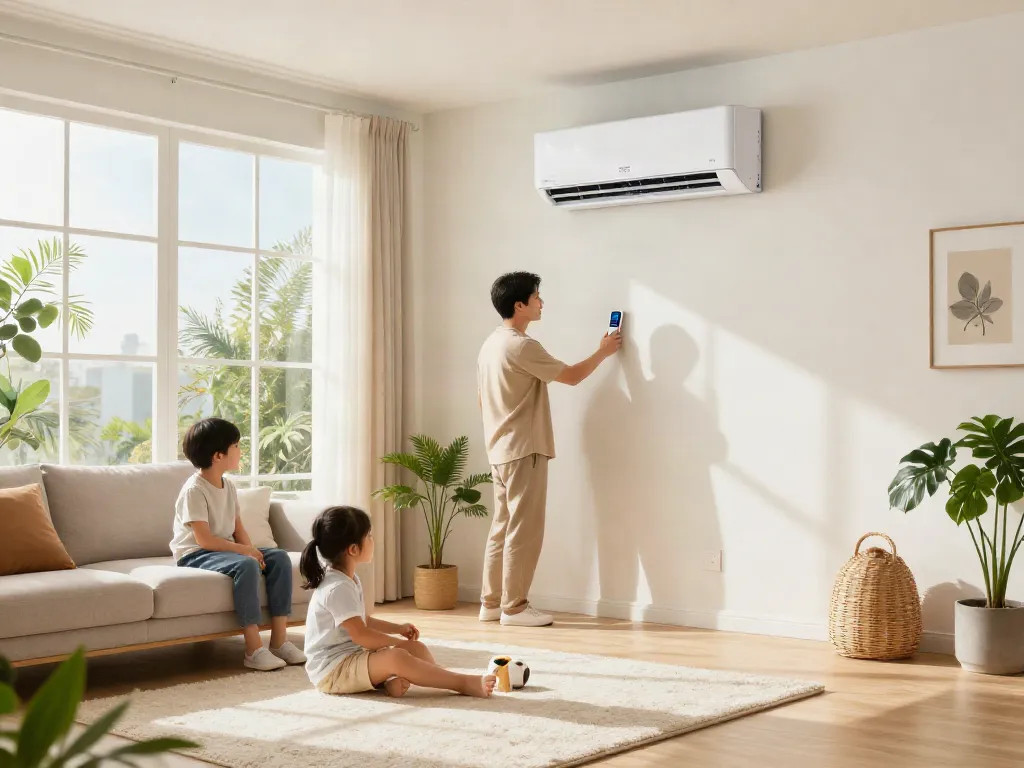
A 2400 BTU mini split system refers to a ductless air conditioning and heating system capable of delivering 24,000 British Thermal Units (BTUs) of heat or cooling power. This capacity makes it ideal for medium to large spaces, providing comfortable temperatures for areas ranging from 1,000 to 1,400 square feet. Mini splits consist of an outdoor unit and one or more indoor units, allowing for zone control, which means you can cool or heat different areas of your home or office independently.
How Mini Splits Work: Mechanics and Benefits
Mini split systems operate using a refrigeration cycle, similar to traditional HVAC systems, but without the need for ductwork. The outdoor unit contains a compressor that circulates refrigerant between it and the indoor units. When the system is set to cooling mode, the refrigerant absorbs heat from the indoor air and expels it outside, effectively lowering the temperature inside. In heating mode, the process is reversed, providing warm air indoors.
The benefits of mini split systems include:
- Energy Efficiency: High energy efficiency ratings (SEER) mean lower energy bills.
- Cost-Effective: Mini splits often have lower installation and maintenance costs compared to central HVAC systems.
- Flexible Installation: Minimal space requirements make them suitable for various settings.
- Zone Control: Tailor the temperature of each room according to individual preferences.
Key Features to Look for in a 2400 BTU Mini Split
When selecting a 2400 BTU mini split system, consider the following features:
- Energy Efficiency: Look for units with a high SEER rating (Seasonal Energy Efficiency Ratio) to ensure cost savings.
- Noise Level: Choose models known for quiet operation, especially if you plan to install them in bedrooms or workspaces.
- Smart Technology: Integration with smart home systems can enhance convenience and control.
- Warranty and Support: A robust warranty can provide peace of mind regarding your investment.
Energy Efficiency and Cost Savings
How Energy Efficiency Impacts Your Home
Energy efficiency plays a crucial role in reducing operating costs and environmental impact. Choosing a 2400 BTU mini split system with a high SEER rating can lead to significant savings on energy bills. The initial investment may be higher than traditional systems, but the long-term savings often outweigh the costs, making it a financially sound choice.
Comparing 2400 BTU Mini Split Systems for Optimal Savings
When comparing different mini split systems, pay attention to their energy efficiency ratings, features, and installation costs. Some of the top brands offer models with advanced technology that maximize energy savings. For instance, inverter technology allows the system to adjust its speed based on the current temperature, further improving efficiency.
Long-term Financial Benefits of Choosing Mini Splits
Investing in a 2400 BTU mini split system not only provides immediate comfort but also pays off over time. Reduced energy consumption leads to lower utility bills, while the lack of ductwork minimizes maintenance costs. Additionally, many systems come with tax incentives or rebates due to their energy-saving capabilities.
Installation Considerations
DIY vs. Professional Installation: Pros and Cons
Deciding between DIY installation and hiring a professional can significantly impact your mini split experience. While DIY can save on labor costs, improper installation can lead to inefficiency and costly repairs. A professional installation ensures that the system is set up correctly, optimizing performance and longevity.
Common Installation Mistakes to Avoid
Common pitfalls during installation include incorrect sizing, inadequate drainage for condensate, or improper placement of indoor units. It's crucial to follow manufacturer recommendations and local codes to ensure optimal performance and safety.
Preparing Your Home for a Mini Split Installation
Before installation, assess your home's layout to determine the best locations for indoor units. Ensure there is enough clearance for airflow and that the outdoor unit has proper ventilation. Clearing the area of obstacles can facilitate a smoother installation process.
Maintaining Your 2400 BTU Mini Split
Essential Maintenance Tips for Longevity
Regular maintenance is key to ensuring your mini split operates efficiently. This includes cleaning or replacing air filters monthly, checking the outdoor unit for debris, and scheduling professional inspections annually to identify potential issues early.
Signs Your Mini Split Needs Repairs
Awareness of warning signs can prevent minor issues from becoming significant headaches. Common symptoms that indicate a need for repair include unusual noises, inconsistent temperatures, and increased energy bills. Addressing these concerns promptly can extend the lifespan of your system.
Seasonal Preparations and Cleaning Steps
As seasons change, it's important to prepare your mini split for different operating conditions. Before summer, clean the indoor and outdoor units and check for signs of wear. In winter, ensure the outdoor unit is protected from excessive snow and ice buildup to maintain efficiency.
Future Trends in HVAC Technology
Innovations Impacting Mini Split Systems by 2026
As HVAC technology advances, expect to see significant innovations in mini splits. Enhanced energy efficiency through better refrigerants, advanced controls, and improved insulation materials will likely dominate the market. These innovations will make systems more effective and environmentally friendly.
Smart Home Integration and Mini Splits
Smart home integration is becoming increasingly important. Future mini splits may feature enhanced connectivity options, allowing homeowners to control their systems remotely via smartphone apps. This can improve energy management and provide added convenience.
Eco-Friendly Refrigerants and Their Importance
With increasing concerns about climate change, the move toward eco-friendly refrigerants is critical. Future mini split systems will likely utilize refrigerants with lower global warming potential, aligning with environmental regulations and consumer demand for sustainable products.
What is the ideal square footage for a 2400 BTU mini split?
Typically, a 2400 BTU mini split is suitable for spaces ranging from 1,000 to 1,400 square feet. This makes it an excellent option for larger living areas, open floor plans, or even multiple rooms when paired with additional indoor units.
Can I install a 2400 BTU mini split myself?
While it is possible to install a mini split system yourself, it's often recommended to hire a professional. Proper installation is critical for ensuring the system's effectiveness and longevity, as mistakes can lead to inefficiencies and costly repairs.
What maintenance does a mini split require?
Maintenance typically involves regular cleaning or replacing air filters, checking for drainage issues, and scheduling annual professional servicing to ensure optimal operation and identify potential problems early.
Are mini splits more efficient than traditional HVAC systems?
Yes, mini splits are generally more efficient than traditional HVAC systems, particularly because they do not use ductwork, which can lead to significant energy losses. Their ability to provide zone control further enhances their efficiency and comfort.
What are the noise levels of a 2400 BTU mini split?
Most modern mini split systems operate at noise levels comparable to a whisper. Many models produce sound levels below 30 decibels, making them suitable for use in bedrooms and quiet spaces without causing disturbances.