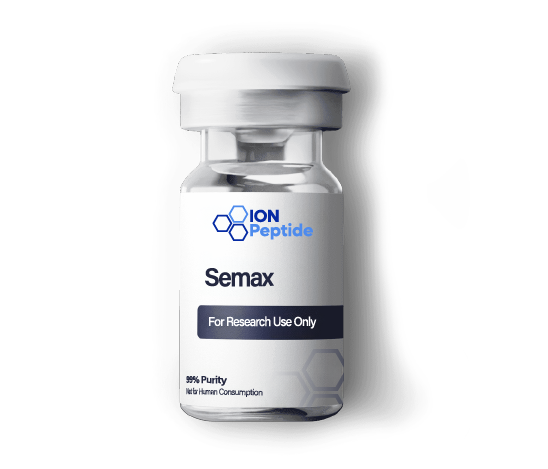
Introduction to Ion Peptides
Ion peptides represent a fascinating domain of biochemistry, holding immense potential for therapeutic applications, specifically in the realm of cognitive enhancement and neuroprotection. These short chains of amino acids exhibit remarkable properties that can modulate biological functions, particularly within the nervous system. Among these, Semax has garnered considerable attention for its unique neuroprotective effects and cognitive-enhancing capabilities. Understanding the intricacies of ion peptides unlocks new avenues for research and clinical practices.
What are Ion Peptides?
Ion peptides are bioactive molecules consisting of short sequences of amino acids. Their structure enables them to interact with various receptors, triggering significant biological responses. These peptides are synthesized endogenously or can be administered exogenously to promote specific physiological outcomes, particularly in neurological contexts.
The Role of Peptides in Neurobiology
Peptides play critical roles in neurobiology; they function as neurotransmitters, neuromodulators, and neuroprotective agents. Their ability to cross the blood-brain barrier and influence neural signaling pathways highlights their importance in treating neurological disorders. As research progresses, the therapeutic potential of peptides like Semax becomes increasingly relevant in the field of cognitive health.
Introduction to Semax
Semax is a synthetic peptide derived from the adrenocorticotropic hormone (ACTH). Initially developed in Russia, its primary applications lie in neuroprotection and cognitive enhancement. The peptide’s distinct sequence and structure allow it to exert antidepressant effects, boost cognitive functions, and protect the brain from damage due to various stressors.
Mechanisms of Action
How Semax Affects Brain Function
The mechanism through which Semax operates is multifaceted. It exclusively acts on neurogenic pathways, which promote the growth and differentiation of neurons. Research indicates that Semax enhances the expression of brain-derived neurotrophic factor (BDNF), a crucial protein for neural plasticity and growth. By modulating neurotransmitter levels and facilitating communication among neurons, Semax effectively improves overall brain function.
Cognitive Benefits of Semax
Users of Semax have reported significant cognitive enhancements, including improved memory, attention, and learning abilities. The peptide is also noted for its anxiolytic properties, which assist in reducing stress and enhancing focus. Clinical studies suggest that Semax can boost performance in cognitive tasks, particularly under stressful conditions, making it a valuable tool for individuals aiming to optimize their mental capabilities.
Comparative Analysis with Other Peptides
When compared to other cognitive enhancers, Semax stands out due to its unique properties. Unlike traditional nootropics, which often stimulate the central nervous system, Semax offers neuroprotective benefits without the associated side effects. Its ability to modulate dopamine and serotonin levels highlights its worth in treating mood disorders alongside cognitive enhancement.
Research and Clinical Studies
Overview of Key Studies
Numerous studies have examined the effects of Semax on cognitive function and neuroprotection. Clinical research shows that Semax may significantly improve outcomes in patients with stroke or traumatic brain injury, highlighting its potential as a treatment protocol in neurorehabilitation. Such studies underscore the peptide's capability to restore cognitive functions effectively.
Results and Findings on Semax
The findings regarding Semax are promising. Research has demonstrated improvements in various cognitive domains, particularly memory retention and problem-solving abilities. Additionally, data indicates that Semax can reduce brain inflammation and oxidative stress, further supporting its neuroprotective profile. These outcomes propel the exploration of Semax as a viable treatment for neurodegenerative diseases.
Future Directions in Research
Future research endeavors will likely focus on the long-term effects of Semax in both healthy populations and those with neurodegenerative conditions. Investigations into the optimal dosing strategies and delivery methods will also be critical. As understanding deepens about the exact pathways impacted by Semax, the potential for developing novel therapy protocols will significantly increase.
Usage and Administration
Optimal Dosage Guidelines
The appropriate dosage of Semax can vary depending on individual needs and the conditions being treated. Research typically suggests starting with a lower dose, gradually increasing until desired effects are achieved, usually administered in the range of 200 to 600 mcg per day. Individual responses can vary, so tailoring the dosage to comfort and cognitive response is essential.
Methods of Administration
Semax is primarily administered nasally, enabling it to bypass the digestive system and deliver the peptide directly to the bloodstream and central nervous system. This delivery method maximizes its effects while minimizing potential gastrointestinal side effects. Understanding the best practices for administration can enhance the overall efficacy of Semax.
Safety Considerations
While Semax is generally considered safe, it is important for users to consult with healthcare professionals before commencing treatment, particularly if there are existing health conditions or concerns. Observing potential side effects and maintaining open communication with medical practitioners ensures safe usage. Studies indicate minimal adverse effects, yet vigilance and informed monitoring remain key.
Conclusion and Future Outlook
Summarizing the Benefits of Semax
In summary, Semax offers a unique approach to cognitive enhancement and neuroprotection. With its proven benefits, including improved memory, learning, and stress response, Semax is paving the way for a new class of cognitive enhancers. Both individuals seeking performance improvement and patients with cognitive impairments stand to gain from its properties.
Possible Improvements in Cognitive Health
As research continues to unveil the benefits of Semax, there lies potential for significant advancements in cognitive health protocols. Ongoing studies are essential to fully understand the breadth of its impact on such conditions as Alzheimer's, ADHD, and anxiety disorders, promising a brighter future for preventative and therapeutic strategies.
Final Thoughts on Peptide Research
Research into peptides like Semax marks an exciting frontier in neurobiology. The ongoing exploration into their mechanisms, benefits, and applications reflects the growing interest in non-traditional cognitive enhancers. As we delve deeper into this field, the implications for both health and performance optimization will undoubtedly expand, presenting new opportunities for scientific advancement.
Frequently Asked Questions
What is Semax used for?
Semax is used for cognitive enhancement and neuroprotection. It promotes memory, learning, and reduces stress.
How should Semax be administered?
Semax is preferably administered nasally to allow its quick absorption into the bloodstream, maximizing its effectiveness.
Is Semax safe to use?
Semax is generally safe with minimal side effects. However, consulting with a healthcare provider is recommended prior to use.
What dosages of Semax are recommended?
Typical dosages range from 200 to 600 mcg per day, adjusted based on individual responses and specific needs.
Are there any side effects of Semax?
While Semax is well-tolerated, some users may experience mild side effects. Monitoring and professional guidance are advised.