
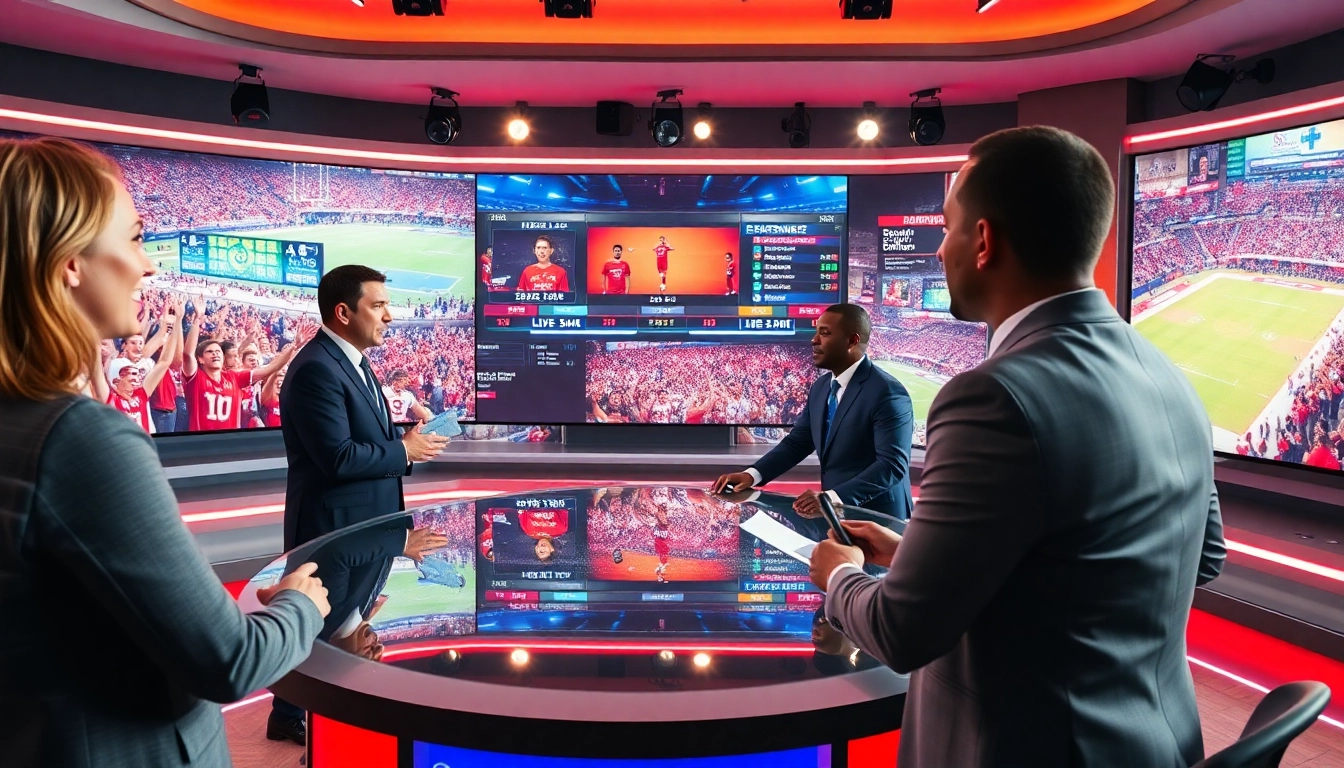
Introduction to Sports Broadcasting
Definition and Scope of Sports Broadcasting
Sports Broadcasting is the media practice of disseminating sports events to audiences through multiple channels, including television, radio, and digital platforms. The scope extends beyond mere commentary; it encompasses a rich tapestry of storytelling, analysis, and audience engagement. Broadcasters aim to capture the essence of the sport, providing insights and entertainment to viewers who may be spectating live or from the comfort of their homes. As an integral part of the sports industry, Sports Broadcasting plays a significant role in how fans experience their favorite teams and athletes.
The Evolution of Sports Broadcasting
The journey of sports broadcasting has witnessed remarkable transformations. It began with radio broadcasts in the early 20th century, allowing fans to follow games in real time, albeit vis-à-vis a limited audio experience. With the advent of television in the 1950s, sports broadcasting took a monumental leap. Iconic events like the Super Bowl and the Olympics became central to family viewing, bringing the stadium atmosphere into living rooms around the globe. In recent years, digital platforms and social media have further revolutionized the landscape, offering streaming services and on-demand content, catering to an ever-evolving audience demographic.
Importance of Sports Broadcasting in Today’s Media Landscape
In today’s media landscape, Sports Broadcasting is not just a source of information; it serves as a critical player in shaping fan engagement and loyalty. It provides extensive coverage, live updates, and expert analyses that enrich the viewing experience. For advertisers and sponsors, sports broadcasts serve as lucrative opportunities to reach wide, engaged audiences. Furthermore, with the growing intersection of technology and sports, broadcasters play a role in promoting sportsmanship and community by featuring local teams and grassroots events.
Core Elements of Effective Sports Broadcasting
Technical Aspects: Equipment and Technology
Effective sports broadcasting relies heavily on advanced technology and equipment. From high-definition cameras that capture every angle of the action to sophisticated audio systems that ensure crystal-clear sound, the technical framework is crucial. These elements allow broadcasters to provide mixed-media experiences, integrating on-screen graphics, instant replays, and live statistics. Mastery of these technologies enables a seamless transition between live action and analytical insights, keeping the audience engaged throughout the broadcast.
On-Air Presentation Skills
On-air presentation skills are fundamental in sports broadcasting. Broadcasters must deliver information clearly and engagingly, balancing expert knowledge with charisma to captivate viewers. Voice modulation, body language, and facial expressions play a significant role in communicating excitement and urgency during a game. Furthermore, effective sports commentators possess the ability to connect with audiences on an emotional level, making them feel as if they are part of the action rather than mere spectators.
Storytelling Techniques in Sports Broadcasting
Storytelling is at the heart of sports broadcasting. Successful broadcasters do not merely report scores; they weave narratives that highlight the triumphs and struggles of teams and players. They must develop a compelling narrative arc that encompasses backstories, rivalries, and the drama of the game itself. Effective storytelling techniques might include the use of statistics to contextualize performances, interviews with key players for insider perspectives, and personal anecdotes that resonate with fans. This holistic approach enhances viewer loyalty and interest in both the team and the sport.
Challenges in Sports Broadcasting
Dealing with Live Broadcast Interruptions
One of the significant challenges in sports broadcasting is managing live interruptions, whether from technical glitches, unexpected weather changes, or even unexpected events occurring during a broadcast. Experienced broadcasters must maintain composure and engage the audience with alternative content, background information, or expert commentary while the situation is resolved. Crafting contingency plans and rehearsal scenarios plays a vital role in overcoming these hurdles effectively.
Maintaining Audience Engagement
In an increasingly crowded media landscape, maintaining audience engagement has become a pressing challenge. Broadcasters must innovate and adapt their content to keep viewers interested. Interactive content, such as polls and social media integrations during broadcasts, can enhance the viewing experience and foster community building. By keeping the audience actively engaged, broadcasters can improve viewer retention and ultimately drive higher ratings.
Adapting to Emerging Technologies
The rapid pace of technological advancements presents both an opportunity and a challenge for sports broadcasters. To remain relevant, they must continuously adapt to new technologies such as augmented reality (AR), virtual reality (VR), and artificial intelligence (AI). These technologies can enrich viewer experiences, offering immersive content and personalized viewing options. Staying ahead of trends necessitates ongoing training, a willingness to experiment, and strategic partnerships with tech firms.
Strategies for Successful Sports Broadcasting
Building a Strong Brand as a Sports Broadcaster
Building a recognizable brand is crucial for success in the competitive field of sports broadcasting. It begins with defining a unique value proposition and consistently delivering a distinctive perspective or tone in broadcasts. Engaging with fans through regular updates and personalized content on social media can help strengthen the brand identity. Broadcasters must also be proactive in cultivating their on-air persona, ensuring that they resonate with their target audience about authenticity and expertise.
Collaborating with Sports Teams and Organizations
Establishing robust relationships with sports teams and organizations can enhance broadcasting effectiveness significantly. These collaborations can lead to exclusive content opportunities, such as behind-the-scenes access and player interviews. Furthermore, such partnerships can facilitate co-marketing efforts, benefiting both parties. By working closely with teams, broadcasters can gain insights into fan preferences and leverage that information to tailor content that resonates profoundly with audiences.
Utilizing Social Media for Audience Growth
Social media platforms have transformed how sports broadcasters interact with their audience. By leveraging channels like Twitter, Instagram, and TikTok, broadcasters can reach broader demographics and generate real-time engagement during live broadcasts. Creating shareable content, interactive polls, and behind-the-scenes glimpses can significantly enhance audience connection. These efforts lead to fostering a community around the broadcast and increasing overall viewership through organic social sharing.
Measuring Success in Sports Broadcasting
Key Performance Indicators in Broadcasting
Measuring the success of a sports broadcast requires a variety of key performance indicators (KPIs). Metrics such as viewership ratings, audience engagement levels, and social media interactions provide valuable insights into program performance. Additionally, monitoring ad revenue generated during broadcasts gives a financial perspective on success. Establishing clear KPIs helps broadcasters assess their impact and make data-driven decisions for future programming.
Feedback Mechanisms: Audience Surveys and Analytics
Integrating audience feedback mechanisms is critical for continuous improvement. Surveys and focus groups can provide direct insight into viewer preferences and experiences, enabling broadcasters to refine their strategies. Additionally, utilizing analytics tools to monitor engagement metrics offers concrete data on what content resonates most with audiences. By being receptive and adaptive to viewer input, broadcasters can tailor their offerings to align better with audience expectations.
Future Trends in Sports Broadcasting Metrics
As technology continues to advance, the metrics used to gauge success in sports broadcasting will evolve as well. The integration of AI and machine learning can usher in more sophisticated analytics, providing deeper insights into viewer behavior patterns. Moreover, the rise of personalized content and targeted ad placements will necessitate more granular measurement techniques, enabling broadcasters to provide compelling, tailored viewing experiences that speak directly to individual preferences.
FAQs
What are the essential skills for sports broadcasting?
Essential skills for sports broadcasting include excellent communication, analytical thinking, and compelling storytelling. Rapid decision-making and a strong presence on camera are also crucial for engaging viewers.
How has technology impacted sports broadcasting?
Technology revolutionized sports broadcasting by introducing real-time stats, multi-camera angles, augmented reality, and enhanced viewer interaction through social media, enriching the overall experience.
What role does audience engagement play in sports broadcasting?
Audience engagement is vital as it fosters viewer loyalty, drives ratings, and ultimately leads to increased revenue opportunities for broadcasters through advertising and sponsorships.
What challenges do sports broadcasters face today?
Sports broadcasters face challenges such as live interruptions, maintaining viewer interest amidst numerous entertainment options, and adapting to evolving technologies, which requires ongoing innovation.
How can aspiring sports broadcasters get started?
Aspiring sports broadcasters can start by pursuing internships in media, creating their own content, engaging in networking events, and building a portfolio that showcases their skills in storytelling and presentation.