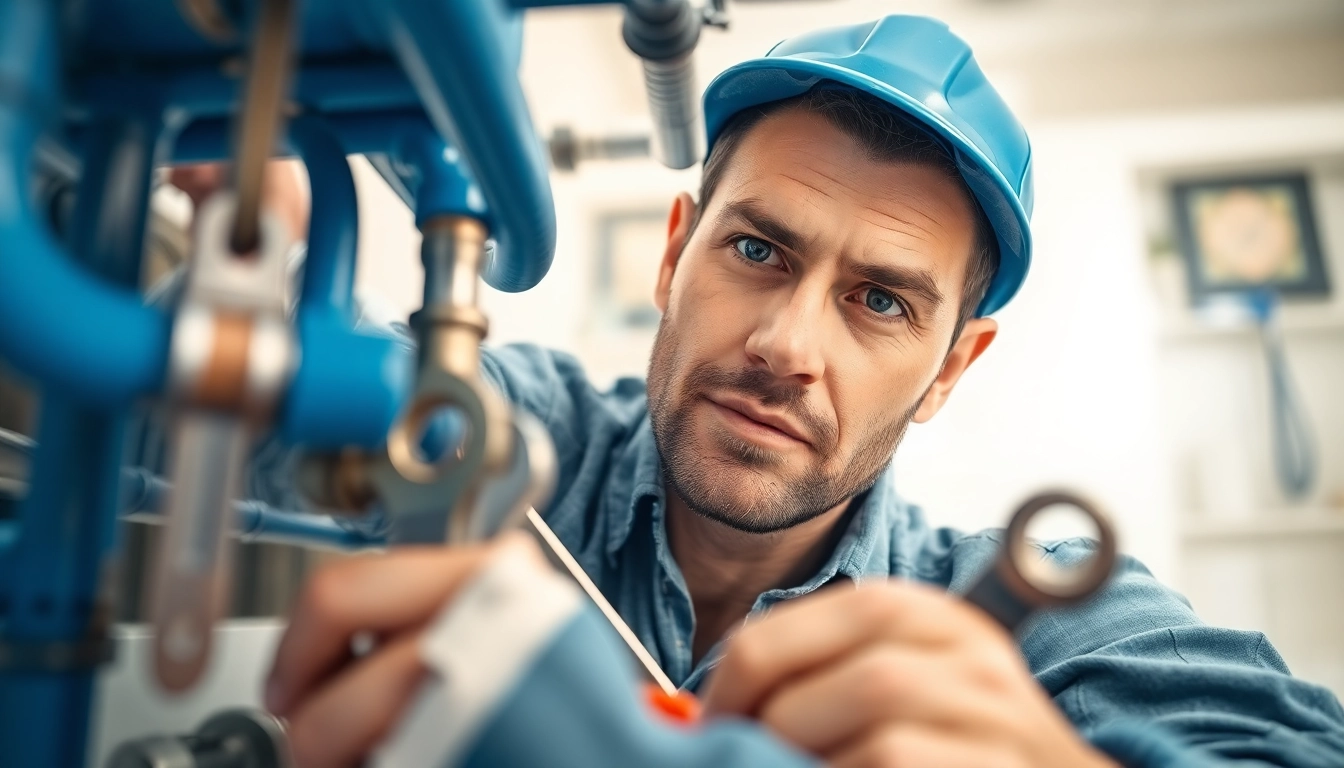
Understanding the Plumbing Apprenticeship Path
What is a Plumbing Apprenticeship?
A plumbing apprenticeship is a structured training program that combines classroom instruction with hands-on experience to prepare individuals for a successful career in plumbing. It typically involves working under the supervision of experienced plumbers, where apprentices learn the skills necessary to install, maintain, and repair plumbing systems. This method of training allows for a practical understanding of complex systems and serves as a gateway to becoming a licensed plumber. For those eager to earn while they learn, pursuing a plumbing apprenticeship can be a fulfilling choice.
Benefits of Choosing a Plumbing Apprenticeship
Embarking on a plumbing apprenticeship presents numerous benefits that can significantly influence one's career trajectory:
- Earn While You Learn: Apprentices are paid a wage, allowing them to support themselves while acquiring valuable skills.
- Job Security: Skilled plumbers are always in demand, which means job security and competitive salaries upon completion.
- Comprehensive Education: Apprentices gain knowledge in not just plumbing, but also related areas, enhancing overall employability.
- Professional Networking: Working alongside experienced professionals opens doors to mentorship opportunities and industry connections.
- Licensing Preparation: Completing an apprenticeship prepares candidates for the necessary licensing exams to work independently.
Requirements to Start a Plumbing Apprenticeship
Before enrolling in a plumbing apprenticeship, aspiring plumbers need to meet certain prerequisites. Common requirements include:
- A minimum age of 18 years
- A high school diploma or GED
- Basic knowledge of math and science
- A valid driver's license
- Generally, passing a drug test and background check is mandatory.
Key Skills Developed During a Plumbing Apprenticeship
Technical Skills Every Apprentice Needs
During a plumbing apprenticeship, apprentices develop essential technical skills that are critical for success in the field. These skills include:
- Pipefitting: Understanding the characteristics of various types of pipes and fittings is crucial.
- Water Supply Systems: Knowledge of how to install and repair residential and commercial water supply systems.
- Drainage Systems: Proficiency in setting up and maintaining drainage and venting systems.
- Blueprint Reading: The ability to read and interpret technical drawings related to plumbing systems.
- Code Compliance: Familiarity with local plumbing codes and regulations is required to ensure all work meets safety standards.
Soft Skills for Plumbing Professionals
While technical skills are paramount, soft skills are equally important for plumbing professionals. These include:
- Communication: Effectively conveying ideas and instructions is vital when working with clients and colleagues.
- Problem Solving: The ability to troubleshoot and devise solutions in complex situations is critical.
- Time Management: Managing time effectively to complete tasks on schedule enhances productivity.
- Customer Service: Maintaining a respectful and professional demeanor while interacting with clients can lead to repeat business and referrals.
Importance of Safety Training in Plumbing
Safety training is integral to any plumbing apprenticeship. Given the nature of the work, which often involves heavy machinery, hazardous materials, and high-pressure systems, understanding safety protocols is essential. Apprentices typically undergo training in:
- Personal Protective Equipment (PPE): Knowledge of appropriate safety gear to wear at all times.
- Emergency Procedures: Training includes what to do in case of fires, pipe bursts, and other emergencies.
- Hazardous Material Handling: Safe methods of managing materials such as lead, asbestos, or chemicals found in plumbing.
- Tool Safety: Understanding how to use, maintain, and store plumbing tools safely.
The Structure of a Plumbing Apprenticeship Program
Classroom vs. On-the-Job Training
Plumbing apprenticeship programs typically consist of a blend of classroom education and on-the-job training. The classroom component covers essential theoretical knowledge, including plumbing codes, systems design, and techniques. In contrast, on-the-job training provides practical experience where apprentices can apply their knowledge in real-world scenarios. This dual approach allows for a comprehensive learning experience that equates theory with practice.
Duration and Phases of Apprenticeship Programs
Generally, plumbing apprenticeships last between 4 to 5 years, depending on the program and state regulations. The training is usually divided into phases, combining classroom instruction and hands-on work. Each phase builds on the last, with increasing complexity in tasks and responsibilities. This structured progression ensures that apprentices develop both confidence and expertise over time.
Certification and Accreditation in Plumbing
Upon successful completion of an apprenticeship, graduates can attain certification or licensure, depending on regional requirements. This is an essential step for those wishing to work independently or supervise others. Accreditation for apprenticeship programs often comes from recognized bodies that ensure high training standards, further validating the skills acquired during the program.
Challenges Faced in a Plumbing Apprenticeship
Common Struggles During Training
While plumbing apprenticeships are rewarding, they do come with challenges. Common struggles include:
- Difficulty in mastering complex plumbing concepts and techniques
- Physical demands of the job, which can lead to fatigue
- Balancing apprenticeship responsibilities with personal life
Apprentices must learn to navigate these challenges effectively while seeking support from mentors and peers.
Balancing Work and Study as an Apprentice
Apprentices often juggle work obligations while attending classes, which can create significant stress. Effective time management strategies, such as creating schedules and setting specific study times, can help apprentices balance their responsibilities more effectively. Consistent communication with employers about workload and study needs also plays a crucial role in managing this balance.
Finding the Right Mentor in Plumbing
Having the right mentor can make a significant difference in an apprentice's experience. A good mentor not only imparts technical knowledge but also provides emotional support and guidance. Apprentices should seek out mentors who are approachable, experienced, and have a genuine interest in teaching. Networking in the workplace and leveraging personal connections can aid in finding suitable mentors.
FAQs About Plumbing Apprenticeships
What qualifications do I need for a plumbing apprenticeship?
To start a plumbing apprenticeship, typically a high school diploma or GED is required, alongside a good understanding of basic math and science.
How long does a plumbing apprenticeship last?
A typical plumbing apprenticeship can last between 4 to 5 years, depending on state requirements and the specific program structure.
Do I get paid during my plumbing apprenticeship?
Yes, plumbing apprentices usually receive a wage during their training, which typically increases as they gain experience and skills.
What kind of tasks will I perform as an apprentice?
As an apprentice, you will assist in installations, repairs, and maintenance work, learning alongside experienced plumbers to hone your skills.
Can I become licensed after completing my plumbing apprenticeship?
Yes, completing an apprenticeship is a step towards becoming a licensed plumber, but you will also need to pass relevant exams to obtain your license.