Understanding the Significance of 1942 in Wine
The year 1942 is often celebrated in the wine industry for various reasons, particularly relating to specific vintages that have gained a legendary status. For collectors and enthusiasts alike, wines from this year represent not just a taste of history but also an opportunity to delve into the nuances of winemaking that can only be traced back to that era. When exploring options, 1942 wines provide comprehensive insights into both the challenges and triumphs faced by vintners during that time.
What Makes 1942 a Standout Vintage?
Wines from 1942 are deemed exceptional largely due to the unique climatic conditions and historical circumstances that surrounded their production. Many regions faced considerable adversity during World War II, which directly impacted grape cultivation and harvests. The scarcity of resources led to innovative winemaking techniques that have since been revered and studied. As a result, 1942 wines often boast complex flavour profiles, with depth and character that can only be attributed to the era's unique challenges.
Historical Context and Winemaking Techniques
The historical backdrop of 1942, marked by global conflict, influenced not just the wine industry but also the agricultural practices of the time. With constraints on production materials such as cork and glass, vintners had to adapt swiftly. Many wineries pivoted towards using local resources and less conventional techniques, which inadvertently enriched the quality and distinctiveness of their wines. This year saw a blend of tradition and necessity that fostered innovation in the vineyards.
The Influence of Climate on 1942 Wines
Climate plays a pivotal role in winemaking, and 1942 was no exception. Regions that produced notable vintages experienced a combination of favourable weather patterns leading up to and during the growing season. Moderate temperatures and timely rainfall meant that grapes reached optimal ripeness, contributing to the robust flavours associated with this vintage. Climate change discussions today can benefit from analysing how past vintages like those from 1942 navigated similar challenges, allowing winemakers to understand resilience in practice.
How to Best Enjoy 1942 Wines
Enjoying 1942 wines goes beyond simply pouring a glass; it’s about thoughtfully pairing them with food, selecting the right glassware, and embracing cultural practices that enhance the tasting experience. The rich history and craftsmanship behind these wines necessitate a mindful appreciation.
Perfect Pairings: Foods That Complement 1942
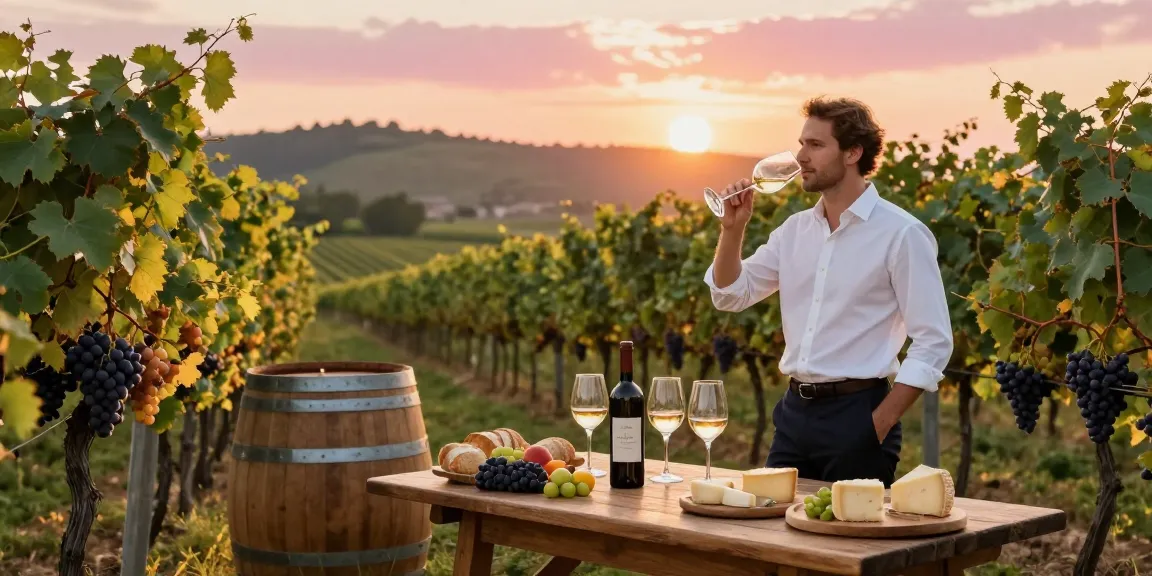
When considering the best food pairings for 1942 wines, it's essential to choose dishes that complement the wine's complexity. For robust reds, a classic pairing with grilled lamb or aged cheeses can elevate the tasting experience. When serving a delicate white from the same year, consider seafood or poultry dishes seasoned with herbs to balance the wine's acidity.
Optimal Glassware and Serving Temperatures
Glassware can significantly influence the aroma and taste of wine. For 1942 reds, a large-bowled glass allows for greater aeration, enhancing the wine’s bouquet. As for whites, a narrower bowl helps maintain cooler temperatures. Generally, reds should be served at around 16-18°C, while whites are best enjoyed at approximately 8-10°C.
Cultural Practices Around Wine Tasting
Wine tasting is as much about the experience as it is about the flavours. Engaging in local traditions and customs related to wine tasting can add depth to your enjoyment. Whether it's a formal tasting at a renowned vineyard or a casual gathering with friends, understanding the cultural significance creates a richer context for enjoying 1942 wines.
Exploring the Regions Known for 1942 Wines
The regions that produced the most acclaimed 1942 wines are worth exploring for any wine enthusiast. Each location offers its unique terroir, contributing to the diverse flavour profiles of their vintages.
Top Wine Regions Producing 1942 Vintages
Some of the top regions that made a mark in 1942 include Bordeaux, Burgundy, and the Napa Valley. Bordeaux was known for its robust reds, while Burgundy offered some exquisite whites, showcasing the possibilities of the vintage. These areas not only had the ideal climatic conditions but also the historical gravitas that lent prestige to their produce.
Notable Wineries and Their Signature 1942 Varietals
Several wineries rose to prominence with their 1942 offerings. For example, Château Margaux in Bordeaux produced a remarkable Cabernet Sauvignon that has since become emblematic of the year’s quality. Similarly, Domaine de la Romanée-Conti offered exquisite Pinot Noir that has been cherished by collectors worldwide.
Visiting Vineyards: A Guide to 1942 Wine Experiences
For those keen on immersing themselves in the 1942 wine experience, visiting vineyards is an excellent way to connect with the history and craftsmanship behind these wines. Many vineyards offer tours that highlight their heritage, winemaking processes, and the significance of the 1942 vintage. Engaging with winemakers provides invaluable insights into the dedication and passion that fuel their craft.
Collecting and Investing in 1942 Wine
Collecting vintage wines like those from 1942 is both an art and a science. As interest in wine collecting continues to rise, understanding the nuances of value and market trends becomes essential for collectors and investors alike.
Assessing the Value of 1942 Wines
The value of 1942 wines can fluctuate based on various factors, including provenance, condition, and rarity. Notably, bottles from reputable wineries tend to appreciate in value, especially if preserved in optimal conditions. Collectors should keep detailed records of their acquisitions, as provenance plays a crucial role in determining the worth of each bottle.
Top Tips for Wine Collectors and Investors
For aspiring collectors, it’s vital to start with wines that resonate personally while also considering their investment potential. Engaging with reputable wine merchants, attending auctions, and joining wine clubs can provide valuable insights and networking opportunities. Additionally, proper storage conditions—cool temperatures and humidity control—are crucial to maintaining the integrity of vintage wines.
Market Trends: What to Watch in 2026
As we approach 2026, collectors should monitor emerging trends in the market, including increasing demand for sustainably produced wines and investments in lesser-known regions. These factors could influence the value of 1942 wines, making it vital for investors to stay informed about new developments in the industry.
Future Trends in Wine Enjoyment and Tasting
The landscape of wine enjoyment is continually evolving, with innovations shaping how consumers approach their tasting experiences. Understanding these trends can enhance the way enthusiasts appreciate vintage wines like those from 1942.
Innovations in Wine Tasting Experiences
Innovative tasting experiences, such as virtual tastings and interactive vineyard tours, are becoming increasingly popular. These trends allow wine lovers to connect with producers and explore complex flavour profiles from the comfort of their homes. Future developments may include augmented reality experiences that offer a deeper insight into the winemaking process.
Increasing Popularity of Wine Education and Workshops
As wine education becomes more accessible, enthusiasts are keen to learn about varietals, tasting notes, and the history behind their favourite wines. Workshops led by sommeliers or vineyard owners offer hands-on experiences that enhance understanding and appreciation of wines like those from 1942.
2026 Predictions: The Future of Wine Tourism
Looking ahead to 2026, wine tourism is expected to grow significantly as more enthusiasts seek immersive experiences. Communities are likely to develop around wine festivals, guided tastings, and educational tours, making it essential for regions producing vintage wines to promote their unique offerings and attract global visitors.